The First Weeks After Birth: How to Prepare for a Peaceful Postpartum
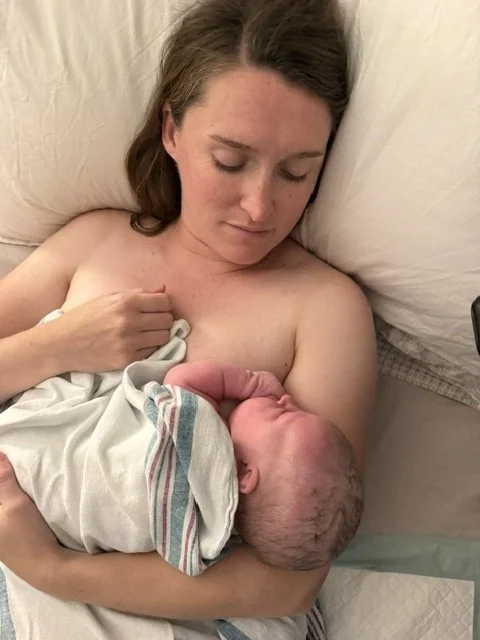
One of the beautiful gifts of homebirth is that the postpartum season begins gently. There is no rush to gather your belongings or leave the place where you just welcomed your baby into the world. Instead, you remain in the comfort of your own home, tucked into your own bed with your newborn resting peacefully on your chest. Your family settles in together, and life begins to find a new rhythm without the disruption of transitioning to another environment.
It's a beautiful beginning.
But even with such a peaceful start, the weeks after birth deserve just as much preparation and attention as labor itself. In many ways, birth is only the beginning.
For months, families prepare for labor. They attend prenatal appointments, gather birth supplies, and spend time learning about the birth process. I always encourage my clients to put that same thought and intention into preparing for postpartum. Because once your baby arrives, your focus naturally shifts toward caring for them. In the middle of learning to breastfeed, adjusting to sleepless nights, and getting to know your newest little one, it's easy for mothers to forget that they are recovering too.
Your body has done extraordinary work, and it's incredibly important to remember that healing takes time. You deserve the same care and compassion after birth that you received during pregnancy.
One of my favorite things about homebirth is watching families ease into this season together. Older siblings don't have to wait for visiting hours to meet the baby. Fathers remain present from the very beginning. Grandparents stop by with meals, friends quietly check in, and life continues in the place that already feels familiar and safe. But while homebirth offers a gentle transition, it doesn't mean mothers need any less support. In fact, this is often when support matters most.
The Sacred Fourth Trimester
We often think of pregnancy as lasting three trimesters, but the weeks after birth. The postpartum period has often been called the "Fourth Trimester," and I believe that description captures it beautifully. While your baby spent nine months growing safely inside the womb, they now need a new place of security. Your home becomes that space. It becomes the nest where your family learns one another, where your body heals, and where your baby gently adjusts to life outside the womb. Many cultures have long recognized the importance of protecting this season. They refer to it as the "Golden Month," a time when mothers are encouraged to rest deeply, eat nourishing foods, and allow others to care for them while they recover. There is incredible wisdom in this slower pace. Just as the womb was a warm, safe place for your baby before birth, your home now becomes the place where your new family grows together.
Turning Inward
The first day after birth is unlike any other. Your baby is learning how to breathe, nurse, and adapt to life outside the womb, while your body is shifting from growing a baby to nourishing one. It is a remarkable transition for everyone in the family. During these first hours, your body experiences its highest levels of oxytocin. This hormone not only strengthens the bond between you and your baby but also helps your uterus contract, reducing bleeding and supporting healing. Something as simple as holding your baby close and breathing in their familiar scent actually supports this process. The quiet moments of skin-to-skin contact are doing far more than creating memories. They are part of the beautiful physiology of postpartum recovery. These first hours are also an invitation to simply rest. Sleep when your baby sleeps. Let others care for meals, visitors, and household responsibilities. The first day isn't about accomplishing anything. It's about allowing your body and your baby to recover together.
Healing Takes Time
One of the greatest misconceptions about postpartum is that recovery should happen quickly. In reality, your body has experienced one of the most profound physical events it will ever accomplish. After the placenta is born, your uterus is left with a wound roughly the size of a dinner plate. Although we can't see it, your body is working continuously to heal. This is why rest is not a luxury. It is part of the healing process.
Many pelvic floor therapists encourage mothers to remain primarily horizontal during the first couple of weeks after birth, allowing the pelvic floor and uterus time to recover. Returning to normal activities too quickly can contribute to long-term complications, including pelvic organ prolapse. While every family and every recovery looks different, slowing down during these first weeks is one of the greatest gifts you can give your body. I often encourage families to think about the 5-5-5 guideline. Spend five days in the bed, focusing on skin-to-skin contact, nursing, sleeping, and being cared for by those around you. The next five days can be spent on the bed or couch, gradually sitting up more while still avoiding household responsibilities. During the final five days, begin moving gently around your home while continuing to avoid lifting anything heavier than your baby. This gradual return to activity honors the incredible healing taking place inside your body.
Creating Your Postpartum Nest
One of the best ways to prepare for postpartum is to think beyond labor and create a nesting plan before your baby arrives. Ask yourself who will bring meals, who can help with older children, and who might fold laundry or wash dishes during those early weeks. Fill your freezer with nourishing meals, stock your pantry with healthy snacks, and create a comfortable nursing space with water, burp cloths, and anything else you'll need within reach. The best gifts for new parents are rarely found on a baby registry. They are the meals dropped off at the front door, the friend who quietly cleans the kitchen, the neighbor who mows the lawn, or the postpartum doula who gives a mother permission to take a nap. These simple acts communicate something every new mother needs to hear: I see you. You're being cared for too.
The Partner's Role
Partners play an invaluable role during the postpartum season. Rather than focusing on entertaining visitors or keeping up with daily life, they become the protectors of the nest. This may mean handling phone calls and text messages, gently setting boundaries around visits, keeping Mom's water bottle full, preparing warm meals, or making sure healing supplies are always nearby.
Many partners also enjoy becoming the primary diaper changer during those first weeks. It gives them meaningful time to bond with their baby while allowing Mom to remain settled with breastfeeding and recovery. Around the third or fourth day, when milk comes in and hormones shift dramatically, many mothers experience what is commonly known as the "baby blues." Tears may come unexpectedly, even when everything is going well. During this time, reassurance is often far more helpful than solutions.
Sometimes the greatest gift a partner can offer is simply saying, "I've got you."
A Gentle Beginning
Homebirth naturally supports this slower beginning. Your family doesn't have to transition from one environment to another. You're already home. Your baby is where they belong, and you have the freedom to settle into this new season surrounded by the comforts and familiar rhythms of your own space.
As your midwife, my care doesn't end once your baby is born. I continue walking alongside your family through the postpartum weeks, checking on your healing, supporting breastfeeding, answering questions, and helping you adjust to life with your newest little one. Because caring for mothers has always been just as important as caring for babies.
Birth may happen in a single day, but the postpartum season is where a family begins. It deserves the same thoughtful preparation, gentle support, and loving care that we so intentionally give to birth itself.